what does natural really mean
on a lip balm label
Lip balm might be the most reached-for skincare product of all time. It lives in pockets, purses, desk drawers, cupholders, nightstands, and at least one mystery spot where you swear you just put it.
Wherever you go, lip balm goes. Because when dry, chapped lips enter the chat, it becomes very hard to focus on literally anything else.
Lips are some of the most delicate skin on the body, so it makes sense that many people look for lip products labeled “natural.” But what does natural lip balm actually mean? And how can you tell whether a formula lives up to what the front label promises?
Here’s how to decode lip balm labels, understand the difference between natural and organic lip care, and find ingredients that help keep lips soft, smooth, and moisturized.
what is a natural lip balm?
A natural lip balm is generally made primarily with ingredients derived from naturally occurring sources, such as plant oils, plant butters, and waxes.
Common natural lip balm ingredients include:
- Shea butter
- Coconut oil
- Jojoba seed oil
- Sunflower seed oil
- Cocoa seed butter
- Avocado oil
- Castor seed oil
- Beeswax or plant-based waxes
However, “natural” does not automatically tell you everything about a product. The word may be used differently from one beauty brand to another, which is why the ingredient list—not just the front label—is the best place to get the real story.
what does "natural" mean on a beauty label?
Here’s the slightly confusing part: “natural” does not have one universal definition across the beauty industry.
For one brand, natural might mean a formula made almost entirely with plant-derived oils, butters and waxes. For another, it might mean the product contains a few naturally derived ingredients alongside synthetic ones.
Neither approach automatically makes a product good or bad. Synthetic does not always mean harsh, and natural does not always mean gentle. Even naturally derived ingredients can cause irritation or allergic reactions for some people.
The better question is: What is actually in the formula, and does it meet your lips’ needs?
That is where the ingredient list comes in.
front label vs. ingredient lists
The front label is designed to get your attention. This is where you will usually see the product name, flavor, and appealing descriptors like:
- Hydrating
- Smoothing
- Soothing
- Nourishing
- Natural
- Organic
- Clean
- Cruelty-free
- Hypoallergenic
These words can be helpful, but they rarely give you the full picture.
The ingredient list is where the real tea gets spilled. It may look like a wall of scientific names at first, but you do not need a chemistry degree to get useful information from it.
how to read a lip balm ingredient list
1. Start with the first few ingredients
Ingredients are generally listed in descending order by concentration. The ingredients near the top usually make up the largest portion of the formula.
If a lip balm promotes shea butter on the front but lists it near the very bottom, it may be more of a supporting character than the star.
2. Look for the moisturizing base
Most lip balms use a blend of oils, butters, and waxes to soften lips and help reduce moisture loss. If you're searching for the best lip balm for dry lips, these moisturizing ingredients are a good place to start.
Common bases include:
- Shea butter
- Coconut oil
- Castor seed oil
- Jojoba seed oil
- Sunflower seed oil
- Cocoa seed butter
- Beeswax
- Candelilla wax
These ingredients also help give lip balm its smooth glide and comfortable texture.
3. Look for ingredients that soften and protect
Lips do not produce oil in the same way as many other areas of skin, which can make them more vulnerable to dryness.
Oils and butters help soften dry skin, while waxes and other occlusive ingredients form a protective layer that helps keep moisture from escaping.
A well-formulated lip balm often combines both.
4. Check flavor and fragrance ingredients
“Flavor” and “fragrance” can describe blends of multiple ingredients. That does not necessarily make them a problem, but people with sensitive lips may prefer fragrance-free formulas or simpler ingredient lists.
If you already know certain flavors, fragrances, or essential oils irritate your lips, keep an eye out for them before you buy.
5. Look for trusted certifications
If organic ingredients are important to you, look for a recognized certification rather than relying on the word “organic” by itself.
A certification seal indicates that the product or its ingredients have been reviewed according to a defined set of standards.
the best natural lip balm ingredients
There is no single perfect lip balm ingredient. The best formulas usually combine ingredients that soften, condition, and help seal in moisture.
Here are several natural ingredients commonly used in lip care and what they bring to the balm.
Shea Butter
Shea butter has a rich, comforting texture that helps condition and soften dry lips. It also helps give balm a smooth, cushiony feel.
Sunflower Seed Oil
Sunflower seed oil is a lightweight emollient that helps soften lips. It also contains fatty acids and naturally occurring vitamin E.
Coconut Oil
Coconut oil helps condition lips while giving formulas a smooth, easy glide. It is frequently paired with richer butters and waxes.
Jojoba Seed Oil
Jojoba seed oil is lightweight and helps smooth and soften lips without an overly heavy feel.
Avocado Oil
Avocado oil is rich and conditioning, making it a popular ingredient in formulas designed for dry or flaky lips.
Cocoa Seed Butter
Cocoa seed butter adds richness and structure to lip balm while helping lips feel soft and protected.
Castor Seed Oil
Castor seed oil gives lip products a smooth glide and natural-looking shine. It is commonly found in balms, glosses, and lip treatments.
Beeswax
Beeswax helps create a protective layer over the lips, reducing moisture loss while giving traditional lip balms their familiar structure and glide.
For a vegan lip balm, plant-derived waxes such as candelilla wax may be used instead.
what ingredients should you avoid in lip balm?
There is no universal list of lip balm ingredients everyone must avoid. A formula that works perfectly for one person may irritate someone else.
Instead of treating ingredients as automatically “good” or “bad,” pay attention to how your lips respond.
You may want to be mindful of:
Strong flavors or fragrances
Highly fragranced or flavored formulas can sometimes feel irritating, particularly when lips are already cracked or sensitive.
Ingredients that create a tingling sensation
Mint, menthol, camphor, and some essential oils can create a cooling or tingling feeling. Some people love that sensation. Others find that it makes already-sensitive lips feel less comfortable.
Known personal allergens
Natural ingredients can still cause allergic reactions. If you know you react to a particular oil, extract, wax, or flavor, always check the ingredient list.
Formulas you constantly need to reapply
Reapplication is normal, especially after eating or drinking. But if your lips feel noticeably drier or more uncomfortable every time a product wears off, that formula may not be the right match for you.
natural vs. organic lip balm: what's the difference?
Natural and organic are related terms, but they do not mean the same thing.
Natural
“Natural” generally describes where an ingredient comes from. Natural lip balms often use plant-derived oils, butters, waxes, or naturally occurring materials.
However, the exact meaning can vary between brands.
Organic
“Organic” generally refers to how agricultural ingredients were grown and processed. Certified-organic ingredients must meet the standards of the organization providing the certification.
Those standards may limit or prohibit certain synthetic pesticides, fertilizers, and processing methods.
The easiest way to remember it
Natural tells you where an ingredient came from. Organic tells you how an agricultural ingredient was grown and handled.
A lip balm can contain natural ingredients without being certified organic. If organic certification matters to you, look for a seal from a recognized certifying organization.
is natural lip balm better for dry lips?
A natural lip balm can be a great choice for dry lips, but the word “natural” alone does not guarantee better performance.
What matters most is the full formula.
For dry or chapped lips, look for a balanced combination of:
- Emollients that soften, such as jojoba oil or sunflower seed oil
- Rich butters that condition, such as shea or cocoa butter
- Occlusive ingredients that help reduce moisture loss, such as waxes
- A comfortable formula you will actually reapply consistently
Ultimately, the best lip balm for dry lips is one that combines effective moisturizing ingredients with a formula that feels comfortable enough to use consistently.
A beautifully marketed balm cannot moisturize your lips from the bottom of your tote bag. Consistent use matters.
how to choose the best natural lip balm
When comparing natural lip balms, ask yourself these questions:
Does the ingredient list support the front-label claims?
If the product highlights coconut oil, shea butter or jojoba oil, check where those ingredients appear on the list.
Is it designed for your needs?
Someone looking for lightweight daily moisture may want something different from a person dealing with severely dry or flaky lips.
Is it suitable for sensitive lips?
If your lips are easily irritated, look for a formula made for sensitive skin or one recommended by dermatologists. If you're specifically looking for a hypoallergenic lip balm for sensitive skin, check the product's claims and full ingredient list rather than assuming "natural" automatically means hypoallergenic.
Does it have a certification you recognize?
If certified-organic ingredients matter to you, verify the certification rather than relying on front-label language alone.
Will you enjoy using it?
Texture and flavor matter. The best lip balm is the one you will happily swipe on again and again.
How Often Should You Apply Lip Balm?
There is no strict rule. Apply lip balm whenever your lips feel dry or uncomfortable.
Helpful times to reapply include:
- In the morning
- Before bed
- After eating or drinking
- Before spending time outside
- During cold, windy or dry weather
- Before applying lipstick
- After removing lip makeup
You can also apply a thicker layer before bed as an overnight lip treatment.
what makes eos organic lip balm different?
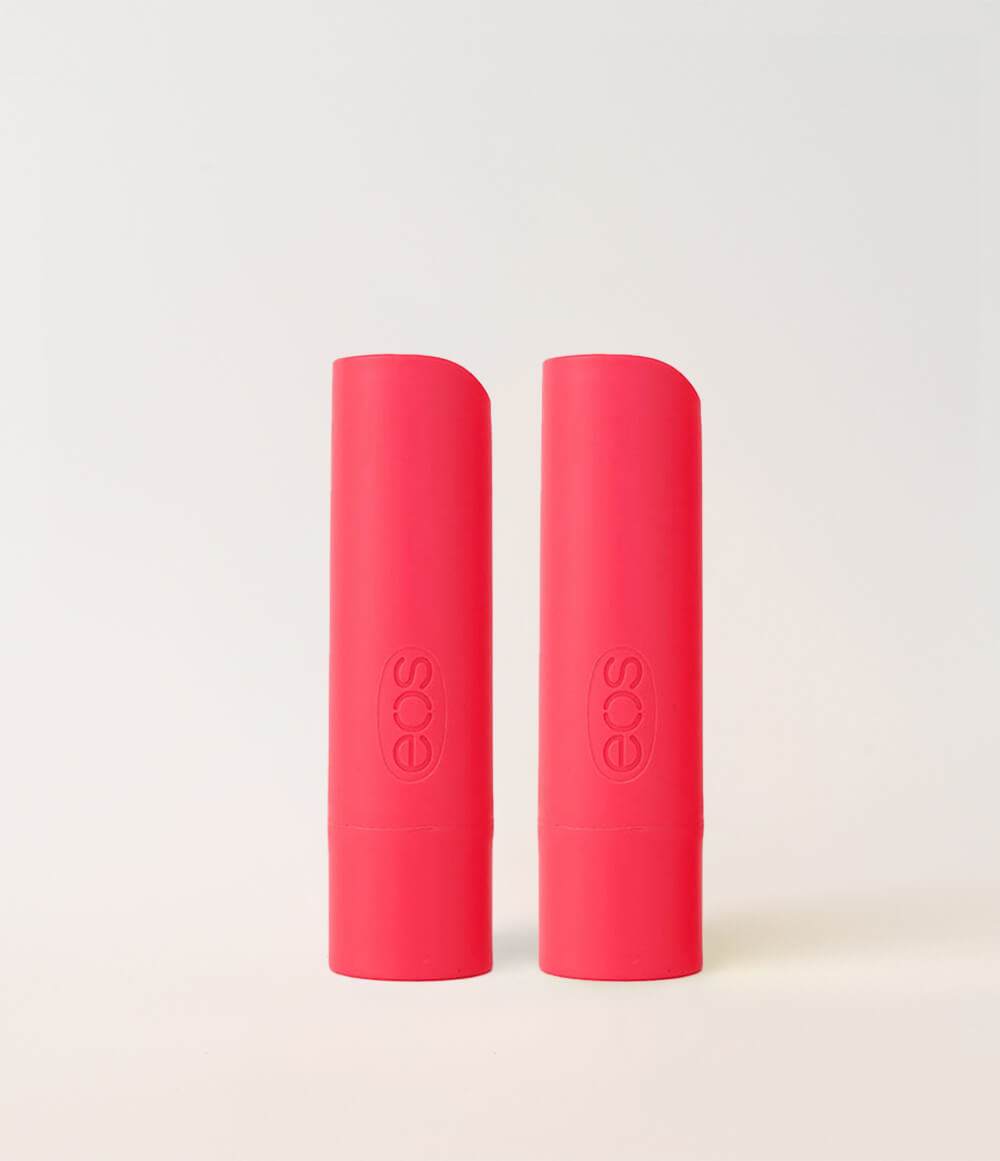
eos Organic Lip Balm is USDA Certified Organic through Oregon Tilth. It is made with sustainable shea butter and oil, nourishing coconut oil, jojoba oil, and a protective blend of antioxidants.
The formula provides all-day moisture and is dermatologist-recommended, formulated for sensitive skin and Leaping Bunny Certified cruelty-free. So, if you're searching for a cruelty-free lip balm for sensitive skin, eos Organic Lip Balm checks both boxes.
And because lip care should feel as good as it works, eos Organic Lip Balm comes in craveable flavors like Vanilla Bean, Sweet Mint, Strawberry Sorbet, and Pomegranate Raspberry. Soft lips, delicious flavors, and one for every bag. That is the trifecta.
eos and sustainable shea
Shea is at the heart of eos products, and responsible sourcing is a key part of how we work.
Through the Shea Better Sustainability Program™, eos works with the Global Shea Alliance to support responsible shea sourcing across West Africa and help create income opportunities for the women who harvest and process shea.
Program initiatives have included fuel-efficiency improvements, water conservation during shea processing, and training workers to create soap from shea-processing byproducts.
Good for your lips. Better for the communities behind the shea.
the bottom line
Finding the best natural lip balm starts with looking beyond the front label.
Check the ingredient list for nourishing oils, butters and waxes. Consider a recognized certification if organic ingredients matter to you. Most importantly, choose a formula that feels comfortable, keeps your lips moisturized, and makes you want to keep swiping.
Because the perfect lip balm should do three things: feel good, taste good, and never be more than an arm’s reach away.
FAQ's
What is natural lip balm?
Natural lip balm is generally made primarily with ingredients derived from naturally occurring sources, such as plant oils, plant butters, and waxes. Common ingredients include shea butter, coconut oil, jojoba seed oil, sunflower seed oil, and beeswax.
Is natural lip balm better for your lips?
Natural lip balm is not automatically better simply because it is labeled natural. The best lip balm for your lips depends on the complete formula, your skin sensitivities, and how well the product softens and protects your lips.
What is the difference between natural and organic lip balm?
Natural generally describes where an ingredient comes from. Organic generally describes how an agricultural ingredient was grown and processed. A natural lip balm is not necessarily certified organic.
How can you tell if a lip balm is really natural?
Read the ingredient list rather than relying only on the front label. Look for recognizable plant oils, butters, and waxes near the top of the ingredient list. If you want an organic product, look for a recognized certification seal.
What ingredients are best in a natural lip balm?
Popular natural lip balm ingredients include shea butter, coconut oil, jojoba seed oil, sunflower seed oil, cocoa seed butter, avocado oil, castor seed oil, and beeswax. The best formulas often use a combination of these ingredients.
Is beeswax good for dry lips?
Beeswax helps form a protective layer over the lips, which can reduce moisture loss. It is often combined with plant oils and butters that soften and condition dry lips.
Is natural lip balm good for sensitive lips?
It can be, but natural ingredients may still cause irritation or allergic reactions. People with sensitive lips should look for formulas made for sensitive skin and avoid any flavors, fragrances, or ingredients they already know cause discomfort. When comparing options like a hypoallergenic lip balm for sensitive skin, always verify the specific product claims and ingredients.
Is eos Organic Lip Balm really organic?
Yes. eos Organic Lip Balm is USDA Certified Organic through Oregon Tilth. It is also dermatologist-recommended, formulated for sensitive skin and made with ingredients including sustainable shea butter and oil, coconut oil, jojoba oil, and protective antioxidants. It is also Leaping Bunny Certified cruelty-free.
How often should you use natural lip balm?
Apply natural lip balm whenever your lips feel dry, tight or uncomfortable. You may also want to apply it before bed, after eating or drinking, and before exposure to cold, wind or dry air.
Can you use natural lip balm overnight?
Yes. Applying a generous layer before bed can help reduce overnight moisture loss and leave lips feeling softer by morning.
Can natural lip balm expire?
Yes. Lip balm can change in texture, smell, or flavor over time, especially when it contains plant-derived oils and butters. Check the packaging for a period-after-opening symbol or expiration guidance, and replace the balm if it smells unusual or its texture changes significantly.
What is the best natural lip balm for everyday use?
The best everyday natural lip balm combines conditioning oils, nourishing butters, and moisture-sealing waxes in a texture you enjoy. Look for a comfortable formula that fits your sensitivities and is easy to keep nearby and reapply.